
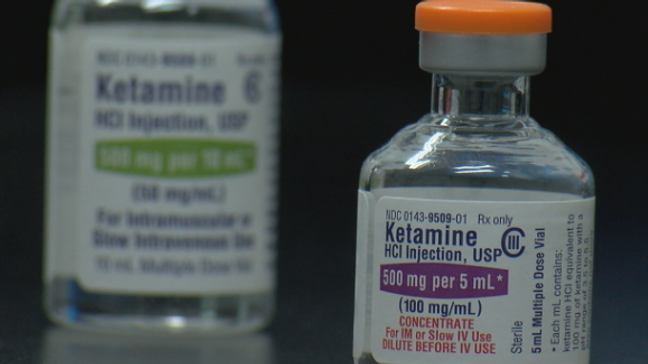
Where do I Buy ketamine Crystal Discreetly Australia
Where do I Buy ketamine Crystal Discreetly Australia? Research chemicals (RCs), also known as novel psychoactive substances (NPS), designer drugs, or “legal highs,” are synthetic compounds often created in laboratories to mimic the effects of controlled substances like cannabis, MDMA, opioids, or psychedelics. They frequently carry labels such as “not for human consumption,” “for research purposes only,” or are marketed as bath salts, plant food, or incense to skirt regulations. While legitimate research chemicals exist for scientific study under strict controls, the term in popular discourse usually refers to unregulated psychoactive substances sold online or in head shops.
These substances operate in a legal gray area because slight molecular tweaks can temporarily evade bans under laws like the U.S. Federal Analog Act or international conventions. However, this evasion comes at a high cost: limited human safety data, inconsistent purity, and rapid changes in chemical structure make them unpredictable. According to the United Nations Office on Drugs and Crime (UNODC), NPS pose public health threats despite not being under the main international drug control treaties.
This article debunks the most persistent myths surrounding research chemicals, drawing on pharmacology, toxicology, regulatory realities, and harm reduction principles. Understanding the facts is crucial because misinformation can lead to dangerous experimentation, overdoses, or legal troubles. Can You Purchase Ketamine Liquid Online Australia?
Note: This content is for educational and informational purposes only. Research chemicals are not approved for human consumption, and their use carries significant risks. Consult medical professionals and adhere to all local laws. Where do I Buy ketamine Crystal Discreetly Australia?
Myth 1: Research Chemicals Are Legitimate Tools for Scientific Research and Therefore Safe (Ketamine HCL Powder for sale Online Australia)
One of the biggest misconceptions is that anything labeled a “research chemical” is part of legitimate scientific inquiry and thus inherently low-risk or controlled. In reality, the term has been co-opted by vendors to sell recreational psychoactive substances. Where can I get Ketamine HCL Powder discreetly Australia?
The Truth: Legitimate research chemicals are novel compounds studied in controlled laboratory settings for potential pharmaceutical applications, receptor binding, or mechanistic insights. Organizations like the National Institute on Drug Abuse (NIDA) provide access to such substances for qualified researchers under strict protocols, often requiring DEA registration and proper documentation. These are not sold to the public. Where can I get Ketamine HCL Powder discreetly Australia?
The recreational versions—sold online with disclaimers—are rarely the same as those used in peer-reviewed studies. They often lack comprehensive toxicology profiles, human clinical trials, or even basic animal safety data. Many were synthesized decades ago (e.g., some 2C-series phenethylamines by Alexander Shulgin) but only recently entered recreational markets via the internet. Vendors exploit the “research” label to imply legitimacy while avoiding liability.
Safety is not guaranteed by the name. Without standardized dosing, purity testing, or long-term studies, users become unwitting test subjects. Reports of hospitalizations from severe intoxications, seizures, psychosis, or organ damage are common with NPS. The myth persists because the labeling creates a false sense of regulatory oversight or scientific backing. Where can I get Ketamine HCL Powder discreetly Australia?
Debunked: Calling something a research chemical does not confer safety or legitimacy for human use. True scientific RCs stay in labs; street versions are experimental at best and hazardous at worst.
Myth 2: “Not for Human Consumption” Means They’re Harmless or Legal to Use Recreationally
Vendors prominently display “not for human consumption” on packaging for synthetic cannabinoids (like Spice), cathinones (“bath salts”), or phenethylamines. Many interpret this as a clever loophole indicating the product is benign or a gray-area novelty. Where do I Buy ketamine Crystal Discreetly Australia?
The Truth: This phrase is a legal shield, not a safety endorsement. It allows sellers to market substances without making explicit drug claims, potentially evading FDA or equivalent regulations on unapproved new drugs. Regulators, however, look at intent, marketing, and actual use. If a product is clearly promoted for psychoactive effects (via reviews, forums, or implied effects), authorities can still pursue action, as seen in FDA warning letters to SARMs and peptide vendors. Where can I get Ketamine HCL Powder discreetly Australia?
Legality is fleeting. Many countries use blanket bans on NPS classes or rapid scheduling. In the U.S., the Analog Act treats substances substantially similar to Schedule I or II drugs as controlled if intended for human consumption. “Legal” today can become illegal tomorrow with a small structural change creating a new variant. UNODC notes that NPS are not internationally controlled by default but can still threaten public health.
Harmlessness is an illusion. These compounds can have potent effects on serotonin, dopamine, or cannabinoid systems, leading to unpredictable outcomes like hyperthermia, cardiovascular strain, or lasting neurological issues. Purity varies wildly—adulterants or mislabeled batches amplify risks.
Debunked: The disclaimer is a marketing and liability tactic, not evidence of safety or permanent legality. Use remains risky and often illegal under analog or specific bans. How to Purchase Ketamine Powder Discreetly Australia?
Myth 3: Research Chemicals Are Safer Than Traditional Street Drugs Because They’re “Lab-Made” or “New” (Ketamine Shop that ships to Australia)
Some users believe RCs are “cleaner” or more precise than heroin, cocaine, or LSD from the street, assuming pharmaceutical-like quality from their synthetic origin.
The Truth: “Lab-made” does not equal safe or consistent. Traditional drugs like MDMA or cannabis have decades of user reports, harm reduction data, and (in some cases) clinical research. RCs, by design, are novel or tweaked to evade detection, meaning less real-world experience and no established safe dosing guidelines. How can you Purchase Ketamine Powder Online Australia?
Synthetic processes in clandestine or overseas labs often yield impure products with byproducts, isomers, or contaminants. Doses can range from micrograms to milligrams across similar-sounding compounds, leading to easy overdoses. For example, NBOMe-series psychedelics (sold as “N-bombs”) were developed as research tools but caused severe toxicity when misused recreationally, unlike classic LSD.
Data from emergency departments and poison control centers show NPS linked to acute harms including agitation, seizures, kidney failure, and fatalities—sometimes at rates comparable to or exceeding traditional drugs due to unknown potency. The constantly evolving chemical landscape means users cannot rely on prior experiences with similar substances.
“New” often means untested on humans in any systematic way. Pharmaceutical development involves rigorous phases of safety and efficacy testing; RCs bypass this entirely for recreational markets.
Debunked: Synthetic origin and novelty do not imply superior safety. Limited data and variable quality frequently make RCs more dangerous than well-characterized street drugs.
Myth 4: All Research Chemicals Are the Same or Fall Into One Risk Category ( Ketamine therapy clinics in Australia)
People often lump RCs together as “synthetics,” assuming uniform effects or dangers, whether stimulants, dissociatives, cannabinoids, or psychedelics.
The Truth: NPS encompass diverse pharmacological classes:
- Synthetic cannabinoids (e.g., Spice/K2 variants): Full agonists at CB1 receptors, far more potent than THC, linked to psychosis, seizures, and cardiovascular events.
- Synthetic cathinones (“bath salts” like MDPV or mephedrone): Stimulant effects with high addiction potential and paranoia.
- Phenethylamines/tryptamines (2C series, DMT analogs): Psychedelic or entactogenic effects, with risks of serotonin syndrome or vasoconstriction.
- Opioid analogs or dissociatives: Respiratory depression or unpredictable dissociation.
Effects, duration, toxicity profiles, and addiction liability vary enormously. A dose safe for one class could be lethal in another. Interactions with medications (e.g., MAOIs, SSRIs) or alcohol further complicate risks.
Harm reduction communities emphasize testing kits (reagents, fentanyl strips where applicable) and starting with tiny “allergy” doses, but even these cannot fully address unknowns.
Debunked: Treating all RCs as interchangeable ignores their distinct chemistry and biology, leading to misguided risk assessment.
Myth 5: Research Chemicals Are Not Addictive or Only Cause Temporary Effects (Ketamine therapy Australia)
The novelty and “research” framing lead some to downplay dependence potential, viewing use as occasional experimentation without long-term consequences.
The Truth: Many NPS affect reward pathways similarly to known addictive substances. Synthetic cathinones can produce strong cravings and compulsive redosing. Certain stimulants or cannabinoid agonists lead to tolerance and withdrawal symptoms like anxiety, insomnia, or depression.
Long-term effects are poorly documented but concerning: potential neurotoxicity, cognitive deficits, cardiovascular damage, or psychiatric issues (persistent psychosis in vulnerable individuals). Animal studies and case reports suggest some RCs may have higher toxicity than their traditional counterparts.
The cycle of banning one variant and introducing a new one keeps users chasing unregulated products, perpetuating exposure risks.
Debunked: Addiction liability exists across many classes, and “temporary” use can yield lasting health impacts due to unknown chronic toxicity.
Myth 6: You Can Easily Identify or Avoid Risks by Buying from “Reputable” Online Vendors or Using Forums (Ketamine assisted therapy Australia)
Online communities and vendor reviews create an illusion of informed, safe purchasing.
The Truth: Even “reputable” sources operate without oversight. Product mislabeling, substitution, or inconsistent batches are rampant. Forums provide anecdotal reports, not scientific data. Law enforcement monitoring and scams (including law enforcement stings) add layers of risk.
Analytical testing (e.g., via services like Energy Control or DrugsData) is the gold standard for harm reduction, but access varies by region and cost. Most users skip it, relying on trust that vendors prioritize safety over profit—an unreliable assumption.
Debunked: No vendor reputation replaces rigorous testing and medical knowledge. The underground market inherently lacks quality control.
Myth 7: Natural Drugs Are Always Safer Than Synthetic Research Chemicals (Ketamine treatment Victoria Australia)
A broader chemical myth influences RC discussions: “natural” equals safe, while “synthetic” equals dangerous.
The Truth: Many potent toxins are natural (botulinum, ricin, certain mushrooms). Synthetics like aspirin or antibiotics have saved millions of lives. Safety depends on dose, purity, and individual factors—not origin. Some RCs mimic natural compounds (e.g., synthetic cannabinoids vs. THC) but with exaggerated potency. Where can I Order Ketamine HCL Liquid Online Australia?
This myth distracts from evidence-based evaluation of any substance’s pharmacology.
Debunked: Origin is irrelevant; pharmacology and exposure determine risk. Well-studied synthetics can be safer than poorly characterized “natural” alternatives.
Additional Considerations: Harm Reduction, Legality, and Public Health (Ketamine HCL Liquid For Sale near me Australia)
While debunking myths, it’s essential to acknowledge realities. NPS use has been linked to outbreaks of mass intoxications. Governments respond with analog acts, temporary bans, or broad scheduling, but this cat-and-mouse game drives innovation in clandestine chemistry.
Harm reduction strategies include:
- Never use alone.
- Test substances when possible.
- Research specific compounds via resources like PsychonautWiki, Erowid, or PubMed (with caution on interpretation).
- Avoid mixing with other substances.
- Seek immediate medical help for adverse effects (many hospitals treat symptomatically since specific antidotes are rare).
Legally, possession or distribution can lead to charges even with disclaimers, especially if analogs apply. Athletes face additional risks from anti-doping rules, as some RCs or peptides trigger positive tests.
Public health experts advocate better monitoring, research funding for NPS toxicology, and education over prohibition alone. Stigma around drug use often prevents users from seeking help. Where do I Buy ketamine Crystal Discreetly Australia?
Conclusion: Prioritizing Evidence Over Hype (Ketamine therapy Melbourne Australia)
The myths about research chemicals thrive on marketing language, legal loopholes, and the allure of novelty in an era of easy online access. In truth, these substances are largely uncharted territory with high variability in effects, purity, and safety. “Research” or “legal” labels do not protect users from acute toxicity, dependence, or legal consequences.
True safety comes from evidence-based understanding, not assumptions. Most experts recommend avoiding recreational NPS due to the imbalance of known risks versus uncertain benefits. If experimentation occurs, extreme caution, testing, and low doses are non-negotiable—but abstinence remains the lowest-risk option.
For those struggling with substance use involving RCs or any drugs, professional treatment programs offer evidence-based support, including medical detox, therapy, and aftercare. Resources like SAMHSA helplines or local harm reduction organizations provide confidential guidance.
Education debunks myths; informed choices protect lives. Stay curious about chemistry and neuroscience, but apply that curiosity responsibly—preferably in legitimate scientific or medical contexts.
