
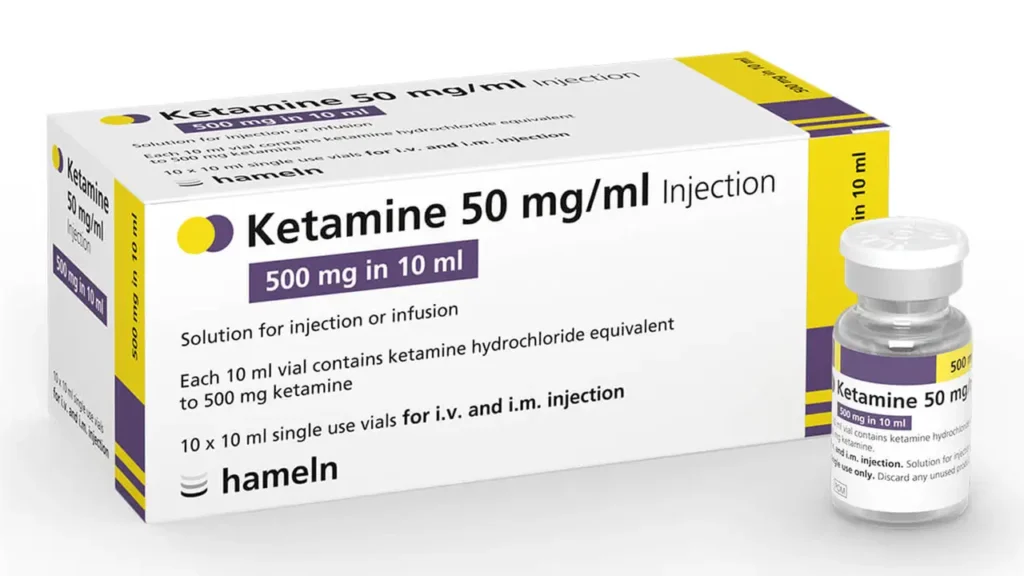
How can I Order Ketamine Crystal Online Belgium Discreetly
How can I Order Ketamine Crystal Online Belgium Discreetly ? Ketamine has emerged as a groundbreaking option for treatment-resistant depression (TRD), anxiety, PTSD, and chronic pain. It offers rapid effects unlike traditional antidepressants, which can take weeks. Two main approaches dominate discussions: microdosing (very low, frequent doses, often at home) and full therapeutic infusions (higher, supervised doses like IV or IM in clinics).
This comparison examines definitions, mechanisms, pros/cons, safety, costs, and the latest evidence (as of 2025-2026). It draws from meta-analyses, clinical trials, and expert reviews. Always consult a qualified healthcare provider—ketamine is not FDA-approved for psychiatric use in most forms (except esketamine nasal spray under supervision), and self-administration carries risks.
What Is Ketamine and How Does It Work? (Order ketamine crystal online Belgium)
Ketamine is a dissociative anesthetic discovered in the 1960s. At sub-anesthetic doses, it acts primarily as an NMDA receptor antagonist, boosting glutamate signaling, promoting BDNF (brain-derived neurotrophic factor), and enhancing neuroplasticity. This can rapidly “reset” dysfunctional brain circuits linked to mood disorders.
It also interacts with opioid receptors, serotonin, and dopamine systems. Effects depend heavily on dose, route, set, and setting.
- Full/therapeutic doses: Typically 0.5 mg/kg IV over 40 minutes (or similar IM), producing dissociative experiences. Protocols often involve 6 infusions over 2-3 weeks, followed by maintenance.
- Microdosing: Much smaller amounts (e.g., 10-50 mg oral/sublingual troches daily or every few days), aiming for subtle effects without dissociation. No universal definition exists; it’s often 1/10th or less of a therapeutic dose.
Ketamine Microdosing: Approach, Pros, and Cons. ( Buy ketamine HCL crystals Brussels)
Microdosing involves regular, sub-perceptual doses, popularized for mood, focus, and creativity. Forms include compounded oral troches, sublingual lozenges, or nasal sprays from telemedicine or compounding pharmacies.
Pros:
- Convenience and accessibility: At-home use fits daily routines without clinic visits.
- Minimal acute side effects: Little to no dissociation, sedation, or “trip” experience.
- Potential for steady, cumulative benefits: Some users report gradual mood stabilization, reduced anxiety, better focus, or creativity.
- Lower per-dose cost and potentially fewer barriers for mild symptoms or maintenance.
- Reduced stigma or fear compared to intense sessions.
Cons and Risks:
- Limited evidence of efficacy: Controlled studies are sparse. Benefits may stem largely from placebo. Low doses often fail to match therapeutic impacts due to poor bioavailability (oral ~17-29%, sublingual variable).
- Tolerance and escalation risk: Frequent use can build tolerance, leading to higher doses and potential abuse.
- Bladder and urinary issues (ketamine cystitis): Linked to cumulative exposure, even at lower doses with chronic use. Symptoms include frequency, urgency, pain, and hematuria; severe cases cause irreversible damage.
- Other risks: Liver strain, cognitive effects with long-term use, psychiatric worsening, dependency (though lower than many substances), and variable potency from compounded products. FDA has warned about compounded ketamine safety.
- Lack of supervision: No monitoring for blood pressure spikes, dissociation (if dose miscalculated), or integration support. Legal and quality issues with at-home sources.
- Short-lived or inconsistent effects: Benefits, if any, often fade without ongoing use.
Evidence for microdosing remains inconclusive. Preclinical and anecdotal reports exist, but rigorous RCTs show modest or placebo-level effects compared to full doses. Very low doses appear less effective than standard 0.5 mg/kg.
Full Ketamine Infusions (IV/IM): Approach, Pros, and Cons ( Ketamine crystal discrete shipping Belgium)
Full infusions deliver higher, controlled doses in a clinical setting, often producing a dissociative state. IV is common for precise titration; IM is an alternative. Standard protocols: induction (e.g., 6 sessions), then maintenance as needed.
Pros:
- Rapid, robust efficacy: Many experience relief within hours to days. Response rates 50-70%+ for TRD; strong anti-suicidal effects.
- Stronger evidence base: Multiple meta-analyses and RCTs support IV ketamine for depression, suicidality, and other conditions. Effects can last days to weeks per session, longer with series.
- Supervised safety: Vital signs monitored; dose adjusted; immediate response to side effects.
- Synergy with therapy: Ketamine-assisted psychotherapy (KAP) enhances outcomes via neuroplasticity “window.”
- High bioavailability and consistency: IV ensures full delivery.
- Potential for lasting neuroplastic changes: Larger doses may drive more significant BDNF and synaptic growth.
Cons and Risks:
- Acute side effects: Dissociation, elevated blood pressure/heart rate, nausea, dizziness, sedation—usually transient (resolve within hours).
- Logistical burden: Clinic visits, time off, travel; not ideal for everyone.
- Cost: $400-800+ per infusion; series can total thousands. Insurance coverage limited.
- Temporary effects: Relapse common without maintenance; not a “cure.”
- Contraindications: Uncontrolled hypertension, certain psychiatric or substance use histories (though research evolves).
- Potential for abuse or dependency in unsupervised settings, though clinical use minimizes this.
IV ketamine often outperforms intranasal esketamine in speed and magnitude of effect in comparative studies.
Head-to-Head Comparison: Evidence Summary ( Online ketamine vendors Europe)
Efficacy:
- Full infusions have far stronger support. Meta-analyses show large effect sizes for depression and suicidality reduction (e.g., SMD -0.69 to -1.74 early on). Repeated infusions sustain benefits better than single doses.
- Microdosing lacks comparable high-quality data. Low/very low doses show smaller or non-significant effects versus standard doses. Anecdotal benefits exist but are hard to distinguish from placebo or lifestyle factors.
Duration:
- Infusions: Rapid onset, effects peak early but wane; maintenance helps.
- Microdosing: Slower buildup, potentially more stable daily mood if effective, but evidence weak.
Safety Profile:
- Both carry urinary risks with heavy/chronic use, but clinical protocols (intermittent, monitored) minimize them. At-home microdosing risks escalation and inconsistent dosing.
- Infusions have better short-term monitoring; microdosing risks long-term cumulative exposure without oversight.
Patient Suitability:
- Severe TRD/suicidality: Infusions preferred for speed.
- Mild symptoms or maintenance: Microdosing might appeal for convenience, but evidence doesn’t strongly support it over other options.
- Cost/access: Microdosing cheaper short-term but risks ineffectiveness leading to prolonged suffering.
Recent data (2024-2025) reaffirm infusions’ role while urging caution on compounded/home use. Higher doses (up to 1 mg/kg) may offer enduring effects in some, without clear superiority over 0.5 mg/kg in all cases.
Practical Considerations: Cost, Access, Legality ( Ketamine crystal online shop Europe)
Full infusions occur in specialized clinics with medical oversight. Microdosing often uses compounded products via telemedicine—FDA has flagged safety concerns regarding dosing variability and unproven claims.
Insurance rarely covers off-label IV ketamine but may cover esketamine (Spravato). Out-of-pocket costs favor microdosing initially but could rise with inefficacy or complications.
Integration (therapy, lifestyle) boosts outcomes for both but is standard in clinical infusion settings.
Current Evidence Gaps and Future Directions ( Secure ketamine delivery Ghent)
- More head-to-head RCTs on microdosing vs. full doses.
- Long-term safety data, especially urinary/cognitive effects.
- Personalized predictors (genetics, symptom profiles).
- Optimal maintenance strategies.
- Combination with psychotherapy or other modalities.
Ketamine is promising but not a panacea. Effects vary widely; ~30-50% may not respond robustly.
Conclusion: Which Is Right for You? ( Reliable ketamine vendors shipping to Belgium)
Full therapeutic infusions currently offer the best evidence-based path for rapid, meaningful relief in moderate-to-severe cases, especially TRD, with professional support maximizing benefits and safety.
Microdosing appeals for convenience and subtlety but lacks robust proof of superiority or even equivalence to placebo in many reviews. It carries hidden risks of tolerance, inconsistent results, and health issues without oversight.
Neither replaces comprehensive care (therapy, lifestyle, other meds). Discuss with a psychiatrist or ketamine specialist. Research clinics thoroughly, prioritize evidence-based protocols, and monitor for side effects.
Ketamine represents a shift toward rapid neuroplastic interventions. Ongoing studies will clarify optimal use. Prioritize safety, evidence, and professional guidance for the best outcomes in your mental health journey. How can I Order Ketamine Crystal Online Belgium Discreetly ?
