
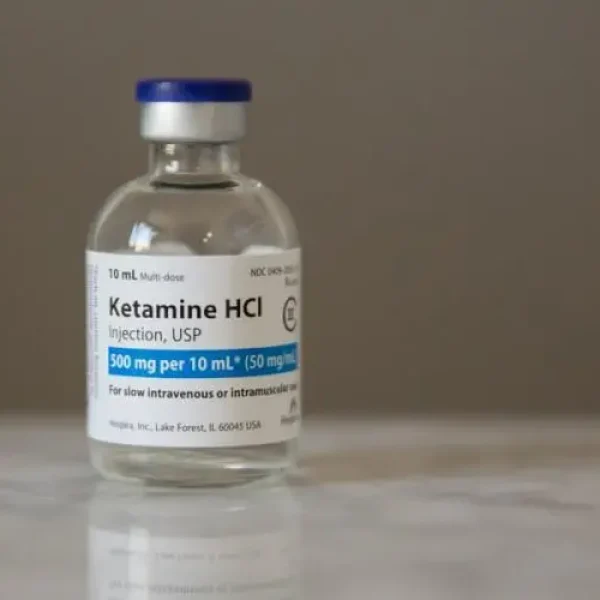
Ketamine Crystal For sale discreetly Online in Germany
Ketamine Crystal For sale discreetly Online in Germany. The History and Evolution of Research Chemicals in Modern Chemistry traces a fascinating path from legitimate scientific inquiry to a complex intersection of pharmacology, law, and society. Research chemicals (RCs) refer to chemical substances primarily intended for medical, scientific, or laboratory research purposes, often with limited or no established human safety data. In legitimate contexts, they serve as tools for exploring molecular interactions, developing new pharmaceuticals, or advancing fields like neuroscience and materials science. However, the term has also become synonymous with “designer drugs,” “novel psychoactive substances” (NPS), or “legal highs”—compounds synthesized to mimic controlled substances while evading regulations.
This duality defines their evolution: from early synthetic efforts in organic chemistry to the internet-driven explosion of NPS in the 21st century. Understanding this history illuminates broader trends in modern chemistry, drug discovery, and regulatory challenges. While the legitimate use of RCs drives innovation, their recreational misuse highlights risks, including unpredictable toxicity and public health concerns.
Early Foundations: From Alchemy to Systematic Organic Synthesis (Pre-1900s) (Ketamine mental health therapy Germany)
Modern chemistry emerged from alchemy and practical arts in the 18th and 19th centuries. Antoine Lavoisier’s chemical revolution in the late 1700s emphasized quantitative analysis and element classification, laying groundwork for synthesizing new compounds. By the 19th century, organic chemistry advanced rapidly with figures like Friedrich Wöhler, who synthesized urea from inorganic precursors in 1828, disproving vitalism and enabling systematic creation of carbon-based molecules.
Early “research chemicals” were experimental compounds created in academic or industrial labs. Coal-tar derivatives from the dye industry (mid-1800s) yielded pharmaceuticals like aspirin (acetylsalicylic acid, 1899 by Bayer). These were not called RCs then, but they exemplified the process: synthesize analogs, test biological activity, and refine for therapeutic use. Agrochemical research also began, with code-named compounds screened for pest control, many never reaching market.
The late 19th and early 20th centuries saw the birth of the pharmaceutical industry from dye companies (e.g., Bayer, Hoechst). Synthetic drugs like phenacetin and barbiturates emerged as researchers modified natural products or created novel structures. This era established the core methodology still used today: hypothesis-driven synthesis, screening, and iteration.
Mid-20th Century: Pharmaceutical Research and Psychoactive Analogs (1940s–1970s) (Ketamine treatment Berlin Germany)
Post-World War II chemistry boomed with advances in instrumentation (NMR, mass spectrometry) and computational modeling. Drug discovery shifted toward targeted synthesis. Researchers at pharmaceutical firms and universities created libraries of compounds for screening against diseases.
In psychoactive chemistry, this period marked key developments. Alexander Shulgin, often called the “godfather of psychedelics,” synthesized hundreds of phenethylamines and tryptamines in the 1960s–1990s while working at Dow Chemical and later independently. His books PiHKAL (1991) and TiHKAL (1997) detailed syntheses, dosages, and effects of compounds like the 2C series (e.g., 2C-B, 2C-I, 2C-E). Many were initially researched for potential therapeutic or neurological insights but gained recreational interest. Ketamine PTSD treatment Germany
Legitimate research chemicals included radiolabeled compounds for tracing metabolic pathways or receptor ligands for studying brain chemistry. The U.S. Controlled Substances Act (CSA) of 1970 classified drugs into schedules based on abuse potential and medical utility, complicating research on Schedule I substances but allowing registered labs to study them under strict protocols. Ketamine treatment for resistant depression Germany.
Designer drugs emerged as clandestine chemists modified controlled substances to bypass laws. The term “designer drug” gained traction in the 1980s for analogs like MDMA derivatives or fentanyl variants. Early NPS included piperazines and ring-substituted amphetamines, synthesized as research tools but diverted for recreational use. How to access ketamine therapy Germany?
The Rise of “Research Chemicals” as a Market Phenomenon (1980s–2000s) (Ketamine assisted therapy Germany)
The 1980s–1990s saw the internet’s early influence on chemical information sharing. Vendors began selling compounds labeled “not for human consumption” or “for research only” to skirt regulations. Terms like “research chemicals,” “legal highs,” and “bath salts” (for synthetic cathinones) proliferated.
Shulgin’s publications accelerated this: recipes for 2C compounds spread online, leading to their sale as RCs by the late 1990s. By the early 2000s, websites offered phenethylamines, tryptamines, and cathinones. A 2004 DEA operation targeted many RC vendors, but the market adapted. Ketamine therapy medical use Germany.
Synthetic cannabinoids marked a turning point. Compounds like JWH-018 (synthesized by John W. Huffman in the 1990s for cannabinoid receptor research) appeared in “Spice” or “K2” herbal blends around 2008. These were sprayed on plant material and sold as incense, mimicking THC effects but with higher potency and different side-effect profiles. Other series included HU and CP compounds from academic or pharmaceutical research. Ketamine therapy patient guide Germany.
Synthetic cathinones (“bath salts”), such as mephedrone and MDPV, surged in the late 2000s, marketed as plant food or cleaners. These mimicked cocaine or amphetamines and were linked to agitation, psychosis, and cardiovascular issues.
This era highlighted chemistry’s dual-use nature: legitimate receptor-binding studies produced tools that underground chemists scaled for profit.
Explosion of Novel Psychoactive Substances (2010s–Present) (Ketamine therapy clinics in Germany)
Since 2008, NPS have flooded markets, with the UNODC reporting over 1,100 substances by the early 2020s. Common classes include:
- Synthetic Cannabinoids: JWH, AM, and 5F series; often more potent than THC, causing severe adverse effects like seizures and kidney injury.
- Synthetic Cathinones: Mephedrone, α-PVP (“Flakka”); stimulants with empathogenic or hallucinogenic properties.
- Phenethylamines and Hallucinogens: NBOMe series (e.g., 25I-NBOMe), often mistaken for LSD; high potency risks overdose.
- Novel Opioids: U-47700, isotonitazene, brorphine; fentanyl analogs with extreme potency.
- Benzodiazepines and Dissociatives: Etizolam, methoxetamine analogs.Rapid depression treatment Germany ketamine.
Production often occurs in China or Eastern Europe, with distribution via surface web or darknet. Vendors use euphemisms (“research chemical,” “collector’s item”) and slight structural tweaks to create new analogs when one is banned. This “cat-and-mouse” game drives rapid evolution. Ketamine therapy Germany requirements.
Reddit communities like r/researchchemicals (created 2010) and forums facilitated user reports, harm reduction discussions, and sometimes sourcing info. Online availability increased dramatically; one study noted growing inventories of RCs on vendor sites, including some already scheduled as Schedule I. Ketamine Crystal For sale discreetly Online in Germany
Advances in synthetic chemistry—combinatorial methods, click chemistry, and AI-assisted design—enable faster production of analogs. High-throughput screening and structure-activity relationship (SAR) studies, once pharma-exclusive, inform both legitimate research and designer modifications.
Regulation and Legal Evolution (Ketamine Shop that ships to Germany)
Regulation lags behind innovation. The U.S. Analog Act (1986) treats substances “substantially similar” to Schedule I/II drugs as controlled if intended for human consumption. Many countries use temporary bans or blanket analog controls.
Internationally, the UN monitors NPS but schedules few. The EU and individual nations (e.g., UK Psychoactive Substances Act 2016) have broad prohibitions. In the U.S., operations like “Log Jam” (2012) targeted vendors, and specific scheduling (e.g., synthetic cannabinoids in 2012) occurs reactively.
Challenges persist: new compounds evade detection in standard drug tests; purity varies wildly; and “not for human consumption” labeling provides legal gray areas. Research on legitimate RCs requires DEA registration for controlled analogs, slowing scientific progress while recreational markets thrive.
Impact on Modern Chemistry and Drug Discovery (Legit SIte To Buy Ketamine Hal Powder Online Germany)
RCs reflect modern chemistry’s strengths and ethical dilemmas. Legitimate uses include:
- Probing receptor subtypes (e.g., serotonin 5-HT2A for psychedelics research).
- Developing tool compounds for neuroscience.
- Advancing SAR studies that inform safer pharmaceuticals.
Techniques refined through RC synthesis—such as selective fluorination or bioisosteric replacements—benefit mainstream drug development. However, misuse underscores risks: unpredictable pharmacokinetics, poly-drug interactions, and long-term neurotoxicity data gaps.
Public health responses emphasize harm reduction, better analytical methods (e.g., LC-MS for NPS detection), and international collaboration. Some researchers advocate studying promising NPS analogs (e.g., certain psychedelics) for therapeutic potential under controlled conditions, echoing Shulgin’s exploratory ethos.
Challenges, Risks, and Future Directions (Ketamine HCL Liquid For Sale near me Germany)
Risks include acute toxicity (overdoses from potent opioids or cannabinoids), chronic effects (psychosis, organ damage), and contaminated products. Adolescents and polydrug users face heightened vulnerability.
Future evolution may involve:
- AI and machine learning predicting new analogs or toxicities.
- Blockchain or advanced tracking for chemical supply chains.
- Broader analog controls or international harmonization.
- Renewed focus on therapeutic research for compounds like novel dissociatives or cannabinoids.
Sustainable progress requires balancing innovation with safety. Legitimate RC research must navigate regulations carefully, while enforcement targets illicit manufacture and sale.
Chemistry’s evolution—from Lavoisier’s quantitative methods to today’s precision synthesis—has enabled both life-saving drugs and challenging NPS. Research chemicals embody this tension: powerful tools for understanding the molecular world, yet potent reminders of unintended consequences when knowledge disseminates without safeguards.
As modern chemistry advances toward personalized medicine, sustainable materials, and neuropharmacology, the story of RCs will continue. Responsible stewardship—through education, rigorous testing, and ethical oversight—ensures benefits outweigh harms. The next chapter may see tighter integration of computational design with real-world safety data, reducing the appeal of unregulated markets while accelerating beneficial discoveries.
